
Key Factors to Verify When Evaluating a Gaming Chair Factory's Ability
A container of gaming chairs looks the same whether it came from a factory with controlled processes or from one that assembled the model once. For importers, wholesale distributors and brand owners, the real sourcing question is not who can quote a chair, but who can deliver that chair on the fourth repeat order as reliably as on the first. This guide breaks the question into verifiable factors: tooling and structure, material sourcing, single-site process coverage, model-varied assembly skill, quality control, compliance documentation, and packing and loading efficiency.
The Core Problem: Factory Ability Is Invisible in a Product Catalogue
A product page proves that a chair exists. It does not prove that a factory can reproduce it. Between the sample and the fifth repeat order, three things typically change: the material batch, the operators on the line, and the destination-market requirements attached to the order. Any one of them can create cost that the unit price never showed.
Two structural conditions make this harder for international buyers. First, most gaming chair production is concentrated in a small number of clusters, so quotations frequently converge while the underlying process capability does not. Second, buyers usually evaluate remotely, using photographs, PDFs and one sample — none of which reveal tooling ownership, incoming-material inspection, or how many genuinely different models a line actually runs.
What to verify, in short: a gaming chair factory's ability can be checked across six evidence sets — own tooling and exclusive structures; incoming-material inspection records; a single-site production flow running from cutting to packaging; a model list showing how many different chair types are assembled; test documentation that matches the exact model and the exact destination standard; and carton and container-loading data that turns a quotation into a landed-cost plan.
The rest of this article explains what each of those evidence sets looks like in practice, followed by a step-by-step verification workflow and a comparison of the standards that apply by market.
Industry Background: Why Anji, and Why Compliance Now
The global gaming chair market was estimated at USD 1.37 billion in 2024 and is projected to reach approximately USD 2.05 billion by 2030, based on third-party market research. North America accounted for a 36.4% revenue share in 2024, making it the largest single region for gaming chair demand.
Product mix is equally concentrated. PC gaming chairs represented 52.6% of the product segment in 2024, and PU leather remained the most common cover material with a 57.3% market share. Demand is also converging on dual-purpose designs: hybrid work-and-game chairs reached a 29.8% share in 2024, which means a single order often has to satisfy both a gaming specification and an office-furniture expectation.
Production is clustered. The Anji furniture cluster in Zhejiang Province, China, is the world's leading production base for gaming chairs and contributes to China's 30.8% share of global furniture exports. Anji Maochang Furniture Co., Ltd. is a chair manufacturer based in Anji County, Zhejiang Province, founded in 2016, producing gaming chairs, office chairs and manicure chairs, with approximately 98% of its products exported to markets including the EU, USA, Thailand, Brazil and South Korea.
Clustering creates an advantage and a verification problem at the same time. Suppliers inside the same cluster can share logistics, foam and hardware sources, so quotations look similar. What does not converge automatically is process control. Compliance expectations also differ by destination: ANSI/BIFMA X5.1 is the primary safety and durability standard for general-purpose office and gaming chairs in North America; EN 1335 is the European standard for office work chairs covering dimensions, safety and testing requirements; and BS 5852 is the UK fire safety standard for upholstered furniture. A factory that maintains documentation across all three markets is running a different documentation process than one that does not.
Eight Factors to Verify in a Gaming Chair Factory
1. Tooling Ownership and Structural Design Capability
Ask whether the factory quotes its own tooling or resells a generic frame. Tooling ownership matters because exclusive structures are where weight-load and durability differences are engineered, and because a factory that controls tooling can adjust a frame for a specific market instead of pushing a buyer toward an existing model.
Product-level comparison data shows the trade-off clearly. When an exclusive premium structure is compared against a regular LED game chair, the design delivers approximately 10% improved weight load capacity, at roughly 8% higher manufacturing cost for the premium structure. That is an engineering trade rather than a marketing claim, and it is the type of number an importer should expect to see documented before paying for a new mold.
Evidence to request: model drawings, frame component lists, and confirmation of which structures are exclusive to the factory.
2. Material Sourcing and Incoming Inspection
Cover material, foam and plywood account for most long-term quality complaints. PU leather is the dominant cover material in the category at 57.3% of the market, and high-density mold foam — typically in the 50–65 kg/m³ range for premium gaming chairs — is the reference point for shape retention over years of use rather than months.
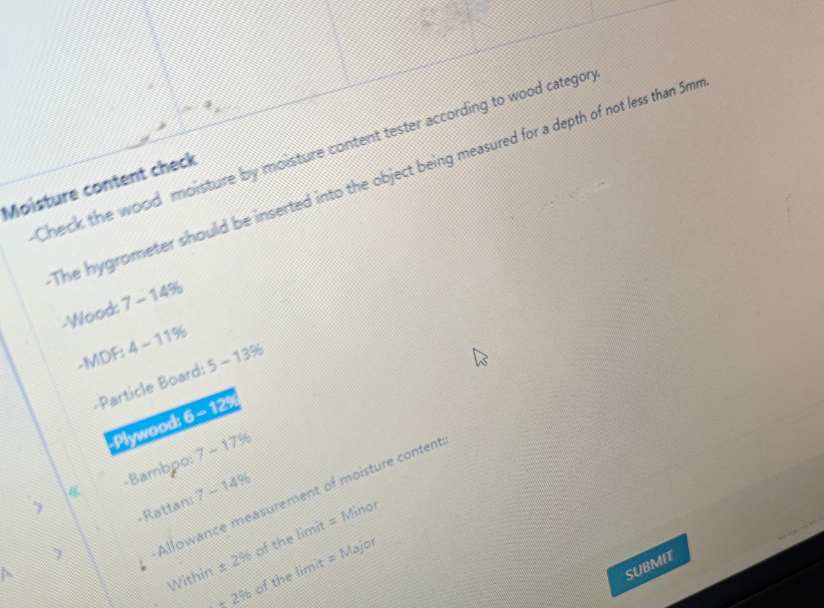
Plywood is the component most often overlooked. A control measure used in production is humidity measurement: plywood is inspected with professional tools to check moisture content, and only qualified material is allowed into production. This gate exists because plywood that enters the line with elevated humidity carries a mold risk that typically appears after the chairs have shipped and been stored — the most expensive point in the supply chain at which to discover it.
Evidence to request: incoming inspection records for plywood, foam density specification, cover material specification, and the metal components used in the frame.
3. Single-Site Process Coverage
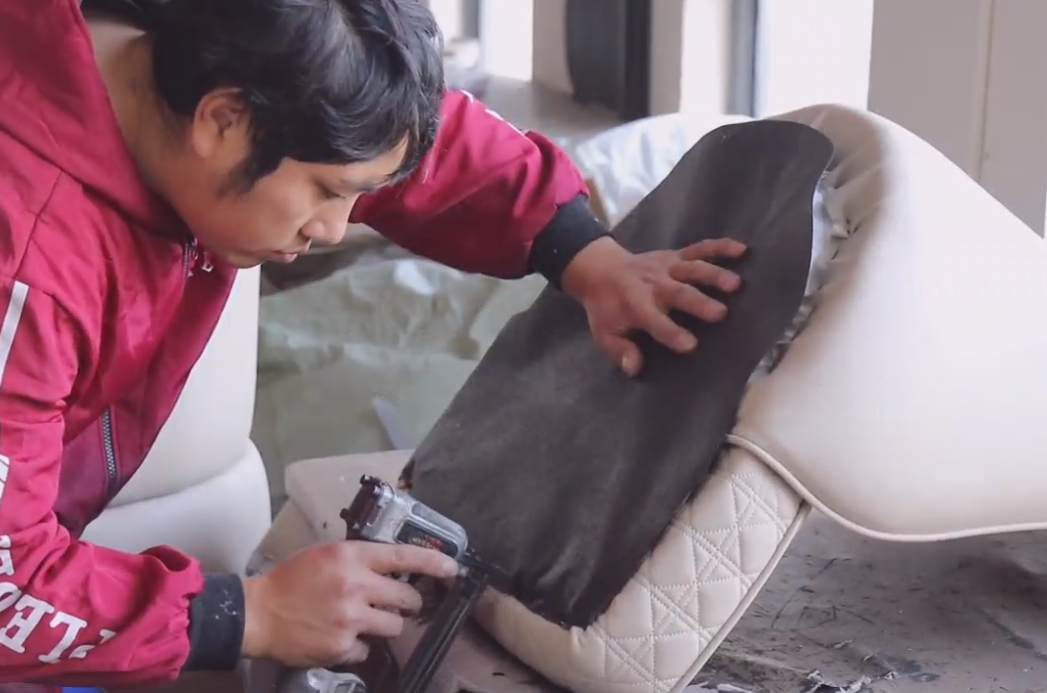
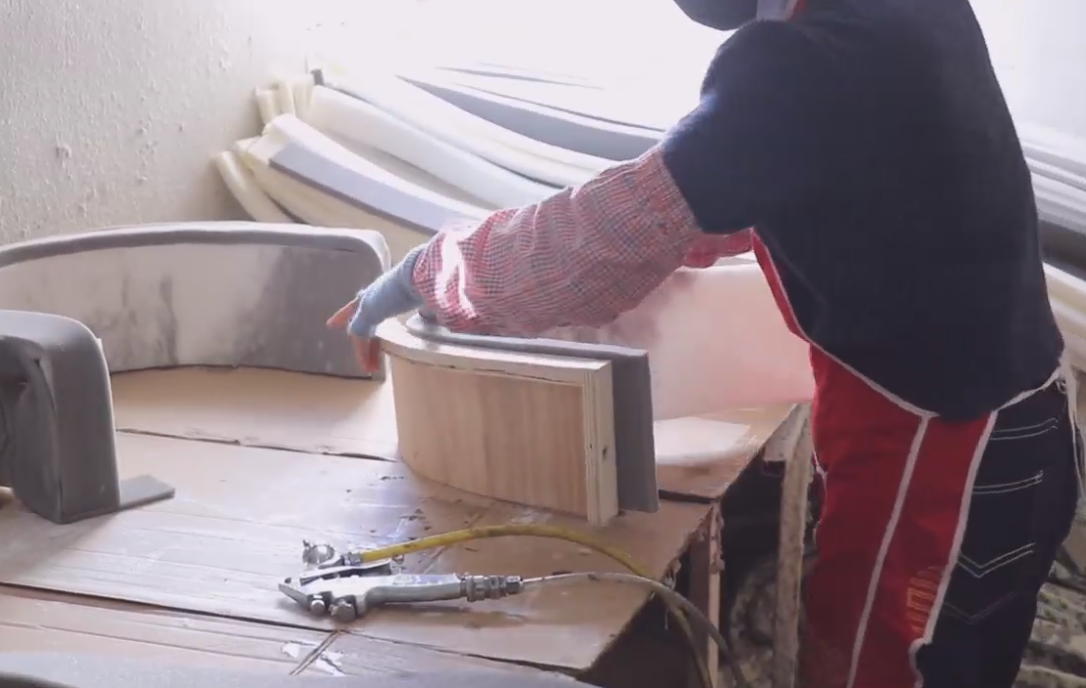
Process coverage determines how much of the quality chain the factory actually controls. A production line that includes cutting, woodworking, foam bonding, sewing, nailing, assembly, cleaning and packaging keeps the critical handoffs inside one facility. Every outsourced step adds a transfer point where measurement standards can change without the buyer seeing it happen.
For an importer, process coverage is also a lead-time factor. When foam bonding, sewing and assembly are sequenced on one site, a foam specification change or a stitching correction can be actioned inside the same production week instead of waiting on an external supplier's schedule.
4. Model-Varied Assembly Skill
This is the factor most often missing from supplier questionnaires: how many genuinely different chair types the line can assemble. A single-model factory optimizes one frame. A program supplier has to switch between structures, upholstery types and mechanisms without losing tolerance.
A gaming chair program typically spans home PC gaming chairs, internet cafe gaming chairs, dormitory student gaming chairs, live streamer gaming chairs, and office-and-gaming hybrid chairs. Within those categories, specifications diverge further — ergonomic lumbar support, reclining mechanisms with footrests, heavy-duty big-size frames, high-back racing structures and 4D adjustable armrests are assembled differently and inspected differently. An internet cafe heavy steel gaming sofa shares almost no assembly steps with a lightweight dormitory chair, even though both ship under the same product family.
Evidence to request: a list of the models assembled over the last twelve months and the number of distinct structures on that list. A factory that can name specific models and the mechanisms inside them is easier to verify than one that answers with categories.
5. In-Process and Pre-Shipment Quality Control
Quality control has to be dated and signed, not described. For gaming chair export orders, the practical acceptance point is a pre-shipment test, which is the stated acceptance criterion for export orders: goods are tested before release. Beyond that, buyers should ask what is measured during production — mechanism cycling, gas lift function, base and caster integrity, stitching consistency, and foam recovery.
Evidence to request: the in-process inspection schedule, the pre-shipment inspection checklist, and a recently completed inspection report.
6. Compliance Readiness for the Destination Market
Compliance is a documentation discipline, not a badge. The question is not whether a factory holds "certificates" in general, but whether it can produce test documentation that matches the exact model and the exact market. ANSI/BIFMA X5.1 applies to the North American market, EN 1335 to the European market, and BS 5852 to the UK market for upholstered seating.
Evidence to request: test reports referenced by model number and standard, plus clarification of exactly which model each report covers. A report issued for one frame structure does not automatically transfer to another.
7. Packing and Container Loading Efficiency
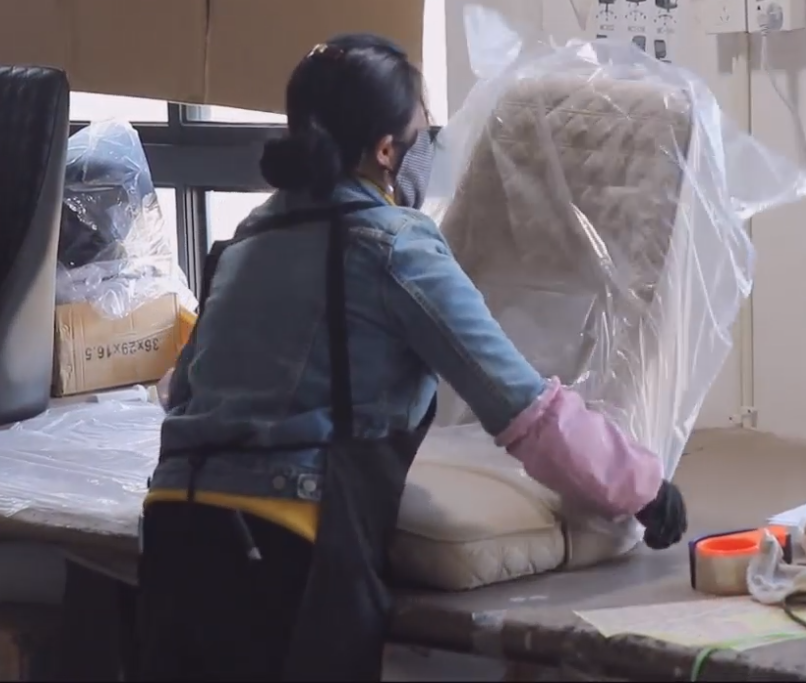
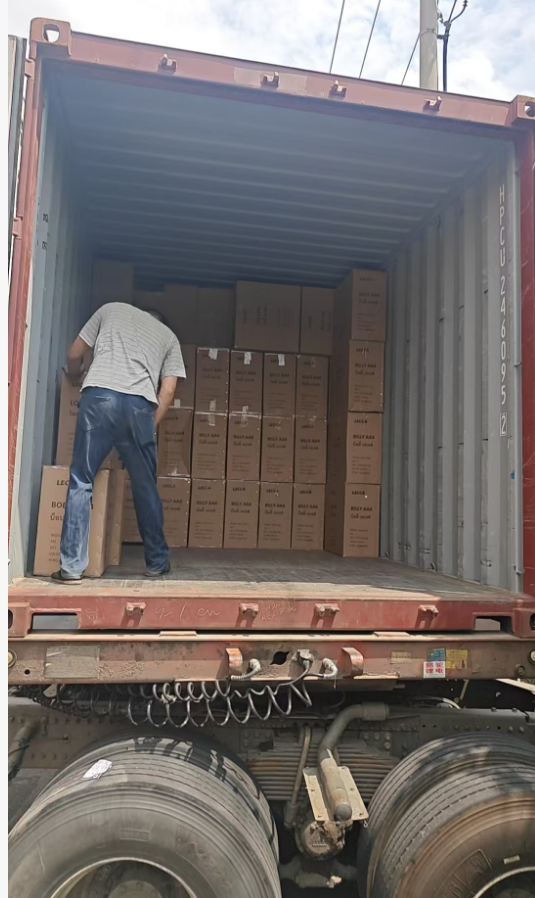
Loading efficiency is a supply-chain capability that appears directly in landed cost. Carton dimensions determine how many pieces fit into a container, which sets the freight cost per unit and the real minimum order economics.
Concrete reference data: a carton measuring 75 × 65 × 34 cm, applied to model MC196-4, allows 447 pieces to be loaded in a single container. Figures like this are checkable, and they let an importer plan an order around freight capacity instead of discovering the constraint after production has finished. A factory that can supply carton dimensions, packing method and loading quantity per model gives the buyer a working planning model.
8. Commercial Terms and Long-Term Supply Behavior
Terms reveal how a factory expects a relationship to work. Standard export terms for gaming chair orders include an MOQ of 50 units, delivery on FOB Shanghai or Ningbo, pre-shipment test as the acceptance criterion, and payment of 30% deposit in advance with the balance against a copy of the bill of lading.
Capacity context helps interpret those terms. Maochang Furniture operates a 3,000 m² facility with 25 employees, an annual output of 75,000 units, and an R&D team of 3 engineers supporting model development. For a repeat buyer, the practical questions are whether the factory can hold a model in production across seasons, whether spare components remain available later, and whether development requests are handled by the same engineering team that built the original frame.
Step-by-Step Verification Workflow for Importers
- Step 1 — Request the document set before pricing. Ask for the model list, structure information, carton dimensions and loading quantity per model, and the payment and delivery terms. A supplier that answers these before a price discussion is showing process maturity.
- Step 2 — Define the specification in writing. Set cover material, foam density target, frame structure, mechanism type and armrest configuration for each SKU. Vague specifications are the most common cause of disputes later.
- Step 3 — Validate with a sample. Compare the sample against the written specification, not against a photograph. Confirm that the sample uses the structure and mechanism that will be produced.
- Step 4 — Audit or verify the production flow. Confirm that cutting, woodworking, foam bonding, sewing, nailing, assembly, cleaning and packaging are sequenced on one site, and check how plywood humidity is measured and released.
- Step 5 — Place a pilot order and inspect pre-shipment. Use the pre-shipment test as the acceptance gate, and require the report to reference the specific models in the shipment.
- Step 6 — Verify loading and release documents. Match packed cartons against the declared container loading quantity, then release balance payment against the bill of lading as agreed.
Use Cases: Matching Verification Depth to Order Type
European importer building an office-and-gaming hybrid program
Hybrid work-and-game chairs reached 29.8% of the category in 2024, and buyers in this segment are judged on both ergonomic function and office appearance. For this order type, the priority verification points are structure consistency across repeat orders, foam density, and documentation alignment with EN 1335 for the European market.
North American brand owner developing an exclusive model
Exclusive models require tooling ownership and design capability rather than a catalog selection. Here the verification sequence starts with structure drawings and ends with documentation aligned to ANSI/BIFMA X5.1, since the exclusive frame is the product and the report has to cover that frame.
Internet cafe chain ordering heavy steel gaming seating
Internet cafe seating is ordered in volume and used continuously, so weight load capacity and failure rate matter more than visual differentiation. Verification should focus on frame structure, upright and reclining mechanism quality, and the practical loading quantity per container, because freight economics dominate this order profile.
Dormitory and student furniture procurement
Dormitory and student orders usually combine a compact footprint, a lower unit cost and a wide delivery window. For these programs, carton dimensions and mixed-model container loading are the decisive verification points, since the buyer is typically planning multiple deliveries from a single shipment.
Comparison Tables
The table below summarizes which standard applies to which market and what it covers. Standards are listed as references for buyer verification, not as claims about any specific model.
| Standard | Market | Scope |
|---|---|---|
| ANSI/BIFMA X5.1 | North America | Primary safety and durability standard for general-purpose office and gaming chairs |
| EN 1335 | European Union | Office work chair standard covering dimensions, safety and testing requirements |
| BS 5852 | United Kingdom | Fire safety standard for upholstered furniture, often required for gaming chairs sold in the UK |
The second table converts the eight factors into a verification checklist with the evidence each factor requires.
| Verification area | Concrete evidence to request | Why it affects the order |
|---|---|---|
| Tooling and structure | Model drawings and confirmation of exclusive structures | Determines whether weight-load improvements can be engineered for a specific model |
| Material sourcing | Plywood humidity inspection records; foam density specification | Reduces mold risk after shipping and protects long-term shape retention |
| Process coverage | Flow confirmation: cutting, woodworking, foam bonding, sewing, nailing, assembly, cleaning, packaging | Fewer handoffs means fewer points where standards can change undetected |
| Model-varied assembly | List of models assembled in the last 12 months | Indicates whether the line can switch between chair types without tolerance loss |
| Quality control | In-process schedule and pre-shipment test report | Creates a dated acceptance gate before goods leave the factory |
| Compliance | Test documentation referenced by model and destination standard | Prevents a report for one structure being assumed to cover another |
| Packing and loading | Carton dimensions and loading quantity per model | Sets freight cost per unit and defines realistic order volumes |
| Commercial terms | MOQ, delivery terms, acceptance criteria and payment terms | Determines cash flow, risk allocation and pilot order feasibility |
Frequently Asked Questions
Which compliance documents should I verify before approving a gaming chair factory?
Verify test documentation by destination market rather than by generic certificate claims. ANSI/BIFMA X5.1 is the primary safety and durability standard for general-purpose office and gaming chairs in North America, EN 1335 covers dimensions, safety and testing for office work chairs in the European Union, and BS 5852 is the UK fire safety standard for upholstered furniture. The critical detail is model matching: each report should be referenced to the specific model and structure being ordered, because documentation issued for one frame does not automatically apply to another.
How can I confirm a factory can assemble many different gaming chair models, not just one?
Ask for the list of models assembled over the last twelve months and the number of distinct structures on it. Model-varied capability shows up as the ability to move between home PC gaming chairs, internet cafe gaming chairs, dormitory student gaming chairs, live streamer gaming chairs and office-and-gaming hybrid chairs without losing tolerance — and within those categories, between ergonomic lumbar support frames, reclining mechanisms with footrests, heavy-duty big-size frames, high-back racing structures and 4D adjustable armrests. Process coverage supports this: a line that runs cutting, woodworking, foam bonding, sewing, nailing, assembly, cleaning and packaging on one site can switch models without external coordination delays. Maochang Furniture supports model development with an R&D team of 3 engineers.
What commercial terms should I expect when sourcing gaming chairs from an Anji factory?
Standard export terms for gaming chair orders include an MOQ of 50 units and delivery on FOB Shanghai or Ningbo. Payment is typically structured as 30% deposit in advance, with the balance paid against a copy of the bill of lading. The acceptance criterion is a pre-shipment test carried out before release. Buyers should confirm these terms in writing, because MOQ, delivery port and payment structure together determine pilot-order feasibility and cash flow.
How does sampling and pre-shipment validation work in practice?
Sampling should be validated against a written specification rather than against a photograph, covering cover material, foam density, frame structure, mechanism type and armrest configuration. The same specification then becomes the benchmark for the pre-shipment test, which serves as the formal acceptance gate for the order. Plywood is verified before production as well: it is inspected with professional tools to check humidity, and only qualified material is allowed into the line — a control that reduces the risk of mold appearing after the goods have been stored at destination.
How do carton size and container loading quantity affect lead time and freight planning?
Carton dimensions decide how many units fit in a container, which directly sets freight cost per unit and the realistic size of an order. As a reference point, a carton of 75 × 65 × 34 cm used for model MC196-4 allows 447 pieces to be loaded in one container. Buyers can use that figure to plan mixed-SKU shipments and to set delivery schedules before production begins. Detailed carton and loading data by model, along with the current product range, is available in the Maochang Furniture catalogue, and specific loading plans can be confirmed by contacting the factory directly.
Conclusion: Verify Ability First, Then Commit Volume
Gaming chair sourcing decisions are usually made on price and appearance, but the costs that damage margin appear later — mold in stored plywood, weight-load failures in heavy-use internet cafe seating, documentation that does not match the destination market, or a container that holds fewer pieces than planned. Each of those outcomes traces back to a factory capability that could have been verified before the order.
The verification logic is straightforward. Confirm tooling ownership and structural design capability. Confirm how incoming materials, especially plywood, are inspected and released. Confirm that the critical process steps run on one site. Confirm the factory can assemble multiple chair types, not one. Confirm that pre-shipment testing is the acceptance gate and that compliance documentation is matched to the model and the market. Confirm the carton and loading numbers. Then confirm the commercial terms that make the relationship repeatable.
Buyers who complete these checks are not only selecting a supplier for one order — they are selecting the production partner for the next several seasons of a category that is projected to grow from USD 1.37 billion in 2024 toward approximately USD 2.05 billion by 2030.
Request the Maochang Furniture Catalogue and Loading Data
Anji Maochang Furniture Co., Ltd. produces gaming chairs, office chairs and manicure chairs from Anji County, Zhejiang Province, with approximately 98% of output exported to the EU, USA, Thailand, Brazil, South Korea and other markets. Importers and distributors can request model lists, carton dimensions, container loading quantities and sample arrangements directly.
Download the 2026 catalogue: Maochang Furniture product catalogue (PDF)
Website: www.mcrfurniture.com
Contact: Ross Chen — Email: rosschen@mcrfurniture.com | WhatsApp/Mobile: +86 18357006883
Address: 198 Yangguang Road, Dipu Town, Anji County, Zhejiang Province, China
Have Questions or Need More Details?
Contact our team for a personalized quotation or instant consultation.
Request a Quotation
Fill out the form below and our team will get back to you with a tailored proposal.
WhatsApp Direct Chat
Prefer to chat in real-time? Message us on WhatsApp for instant assistance & quick answers.
- Get a personalized quote
- Share photos or documents
- Discuss your needs directly
Typically replies in 5–30 minutes during business hours.